

When Grief is Overwhelming: A Guide to Coping with a Sudden Death
“Sometimes, you will never know the value of a moment until it becomes a memory.” – Dr. Seuss
Dealing with loss is always emotionally challenging. It can take a long time to get to a place of acceptance or to build a “new normal” that allows you to move on with your life. But when the losses are totally unexpected, the cognitive, emotional, psychological, and physical impact is profound. Whether you’re offering support to family, friends, or coworkers, or are experiencing a traumatic loss yourself, there are some specific dynamics to consider when addressing death that’s so sudden. In this article, we’ll examine these important considerations so that you can lend the best support possible to those who are suffering.
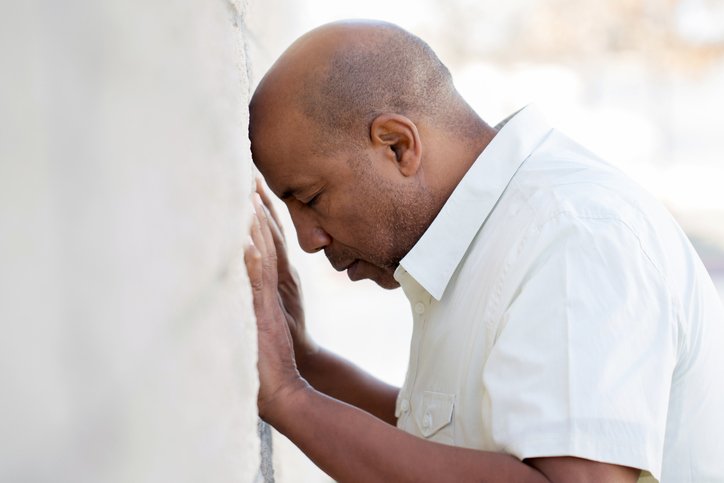
Shock and disbelief can initially overshadow grief. The lack of apparent overt sadness can be confusing. However, this initial refusal of the mind to accept a loss that is completely unexpected or horrifying makes sense. There’s no time to prepare for the loss, so it leaves those left behind feeling as if the rug has been pulled out from under them. A shock of this magnitude can manifest itself as numbness or detachment. The bereaved should be validated and never criticized for their behaviors while grieving.
Sudden or traumatic loss often evokes self-blame in those left behind. In response to an unexpected death, it’s not uncommon for people to believe they ‘could have done something’ or ‘should have seen it coming’. These feelings imply that they are somehow to blame. It’s actually an attempt to re-claim the feeling of control that was taken from them when a loved one passes away suddenly or tragically. In this case, it’s exceptionally difficult to accept the fact that there is nothing they could have done to prevent or change the outcome.
Unexpected death can challenge a survivor’s religious and spiritual beliefs. Sudden losses often cause people to question their internal belief system and values. Those left behind are forced to re-evaluate their life priorities. Survivors tend to ask ‘Why?’, yet it’s difficult if not impossible to find an answer. In times of trauma, it’s important to realize that not all questions have complete answers.
How can you help yourself or someone you care about? If you are a friend or family member of someone who has unexpectedly lost a loved one, or if you are suddenly bereaved yourself, there are things that can aid in coping with this difficult situation:
Remember that friends and family can only help if they understand. Tell them what you need, whether it’s a hug, to listen to them for a while, or run some errands for you. Your loved ones want to support you in your time of need, so let them. If your friend has suffered an unspeakable loss, don’t wait for them to ask for help. Offer to sit with them, get their groceries, or simply give them a shoulder to cry on.
Allow yourself to cry. Most people find that it’s better to express their sadness than to hold back the tears. Sadness and grief is often most comfortably expressed in a secure environment, such as your home or the home of a loved one, or somewhere you feel at peace, such as a church or park.
Avoid stressful situations. For the first few weeks, it may help to stay in places where you feel secure and among those closest to you. For example, large parties or busy shopping centers may be too overwhelming. On the other hand, seeking out calming situations, such as a walk in the park or mediation, can be beneficial to reducing soaring stress levels.
Be kind to yourself. Remember to eat and try to get some sleep. Allow yourself to indulge in some soothing comfort foods if you crave them. Take a bubble bath, read a relaxing book, or watch something uplifting on TV.
Get help if you need it. If you’re still suffering strong emotions and/or physical symptoms after two months, don’t be ashamed. Your body and mind are trying to recover from an extremely stressful event. Your reactions and behaviors are legitimate and should never be discounted.
There are no easy answers or quick fixes for dealing with loneliness after you suddenly lose a loved one, but do know that you are not alone in your pain. If you are struggling to cope, need additional support, or just want someone to talk to about the grief you’re experiencing, please reach out to our caring team.
About Batchelor Brothers Funeral Services: As a leading African American-owned and operated funeral and cremation organization serving three states, Batchelor Brothers Funeral Services has provided a ministry of care to thousands of grieving families. We promise to provide our highest level of distinguished service and respect to families who entrust us to honor their loved one. In all aspects of the funeral process, we strive to be the absolute best and are honored to help preserve our clients’ legacies for future generations. With three convenient locations serving both North and West Philadelphia, as well as Trenton and Drexel Hill, it is always our pleasure to be of service. Please visit our website for more information.
Previous Posts
How to Navigate Funeral Processions with Care and Courtesy
Simple, Effective Ways to Care for Yourself This National Minority Health Month
Need Relief from Spring Allergies? Here’s How to Stay Comfortable This Season
How Do I Arrange Cremation Services? A Step-by-Step Guide for Families
Choosing an Assisted Living Community: 6 Signs It May Be Time to Begin Exploring Options
Funeral Readings: A Thoughtful Guide to Choosing the Right Words
What Should I Look for When Choosing a Funeral Home in Pennsylvania?
Are Your Home and Car Winter-Ready? 10 Essential Winter Safety Tips
It’s American Heart Month: Eight Simple Steps That Make a Big Difference
What Documents Do You Need Before Meeting With a Funeral Director?



Comments