
What Documents Do You Need Before Meeting With a Funeral Director?
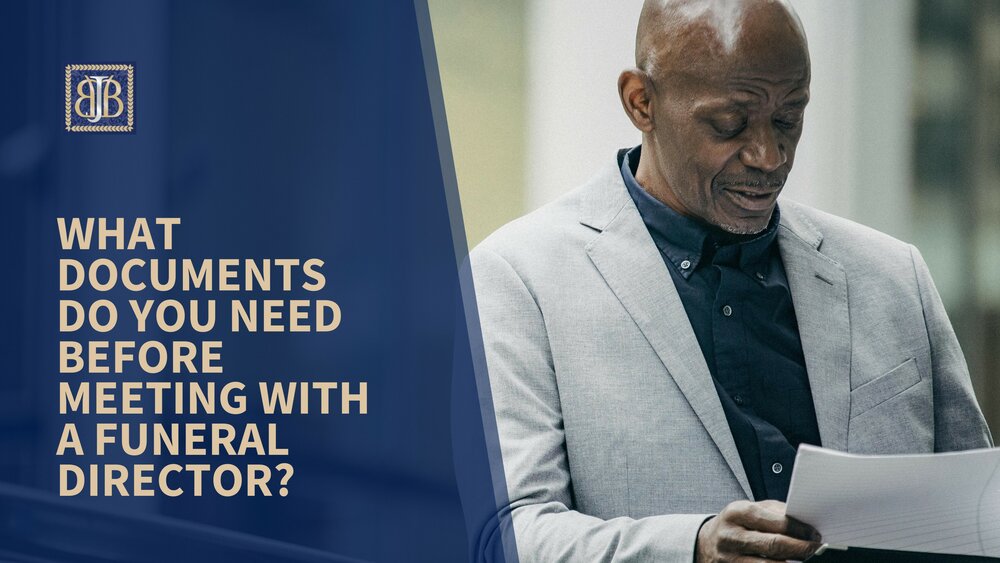
What information is most helpful to have before meeting with a funeral director?
Funeral planning often begins with a conversation many people have never had before. While paperwork is part of the process, the first meeting at a funeral home is primarily about understanding next steps, timing, and options for honoring the departed.
Having certain documents ready before meeting with a funeral director can help that conversation stay focused and productive, without adding unnecessary pressure during an already difficult time. The following eight pieces of information are most commonly discussed during funeral planning. You don’t need everything in hand, but knowing what may be requested can help you feel more prepared and comfortable.
1. Basic personal information is needed to prepare the death certificate.
One of the first legal responsibilities handled during funeral planning is preparing information for the official death certificate. To begin this process, the funeral director will typically ask for basic personal details such as the full legal name of the deceased, date and place of birth, Social Security number, and last residential address.
Providing accurate information at the outset helps prevent delays and ensures records are completed correctly.
2. Contact information helps keep communication organized.
Clear communication is essential during funeral planning. Families are often asked to provide contact information for immediate family members and primary decision-makers. This helps the funeral home coordinate arrangements, prepare obituary details, and share service information to family and friends.
Designating one primary point of contact can also make decision-making easier during an emotional time.
3. Written wishes or funeral pre-planning materials should be shared early.
If your loved one left behind written preferences, pre-arrangement documents, or life insurance policies, bringing those documents to your meeting can provide helpful direction. These materials may outline preferences for a funeral service, memorial service, burial, or cremation.
Sharing them early on allows the funeral director to explain how those wishes can be honored and incorporated into current plans.
4. Military service records are important when veteran honors or benefits apply.
If the departed served in the military, documents such as a DD Form 214 are important. These records allow the funeral director to request military honors, a U.S. burial flag, and any applicable veteran burial benefits.
Providing this information before meeting with a funeral director helps ensure these honors are arranged properly and with respect.
5. Cemetery or burial plot documentation supports scheduling and coordination.
For families planning burial, any existing cemetery or burial plot information can be helpful. This may include deeds, contracts, or proof of ownership.
Having this information available allows the funeral home to coordinate with the cemetery and avoid scheduling complications for a funeral service or graveside ceremony.
6. Personal details help shape a meaningful funeral or memorial service.
Beyond documents, funeral planning includes conversations about how a life will be remembered. Families may be asked about preferences for a funeral service or memorial service, religious or cultural traditions, and whether there are readings, music, or speakers they would like included.
These details help create a service that reflects the individual being honored and brings comfort to family and friends.
7. Photographs and meaningful items help personalize remembrance.
Pictures and keepsakes are often used to personalize visitation areas or memorial displays. Bringing a few photographs or meaningful items can help tell a story, encourage reflection, and create moments of connection for those attending the funeral service.
8. Notes or questions can help ensure all important concerns are addressed.
Many families find it helpful to write down questions or concerns ahead of time. Funeral planning often involves unfamiliar decisions, and it’s easy to forget what you wanted to ask in the moment.
Notes can help ensure important topics are addressed and provide reassurance during the conversation. Many families also choose to bring a trusted family member or friend to the meeting for additional support.
During the arrangement meeting, the funeral director uses the information you provide to handle essential details, explain available options, and coordinate next steps at a pace that feels manageable. The purpose of preparation is not to rush decisions, but to create clarity so families can focus on remembrance rather than logistics.
If you have questions before meeting with a funeral director, Batchelor Brothers & Jones Funeral Services is here to help. Our caring team is available to answer questions, explain what to expect, and support you and your family. Please contact us anytime.
About Batchelor Brothers & Jones Funeral Services: A trusted African American-owned funeral and cremation provider, Batchelor Brothers & Jones Funeral Services proudly serves the Philadelphia community with compassion and care. Established in 2025 through the merger of Batchelor Brothers Funeral Services and The Escamillio D. Jones Funeral Home, the firm brings together more than 25 years of combined experience and a shared commitment to honoring lives with dignity. With two convenient locations in North and West Philadelphia, Batchelor Brothers & Jones offers a full range of personalized services—including funerals, cremations, memorials, repast planning, and grief support—delivered with cultural sensitivity and a deep connection to the community. To learn more, visit www.batchelorbrothersjones.com or call 215-549-4700.
Previous Posts
How to Navigate Funeral Processions with Care and Courtesy
Simple, Effective Ways to Care for Yourself This National Minority Health Month
Need Relief from Spring Allergies? Here’s How to Stay Comfortable This Season
How Do I Arrange Cremation Services? A Step-by-Step Guide for Families
Choosing an Assisted Living Community: 6 Signs It May Be Time to Begin Exploring Options
Funeral Readings: A Thoughtful Guide to Choosing the Right Words
What Should I Look for When Choosing a Funeral Home in Pennsylvania?
Are Your Home and Car Winter-Ready? 10 Essential Winter Safety Tips
It’s American Heart Month: Eight Simple Steps That Make a Big Difference
What Decisions Need to be Made During the Funeral Planning Process?


Comments