
It's Breast Cancer Awareness Month: Get the Facts and Help Save Lives
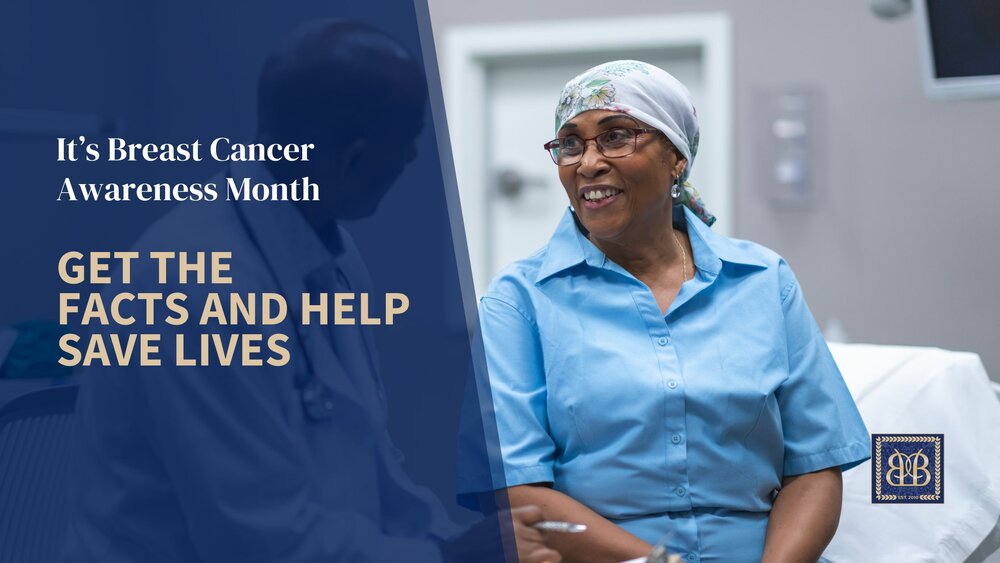
Breast Cancer Awareness Month is a call to action for education, prevention, and support.
Every October, Americans recognize Breast Cancer Awareness Month, a national campaign that promotes breast cancer awareness, education, screening, fundraising, and more. It’s also intended to call attention to the fact that breast cancer is the most commonly diagnosed cancer in women in the U.S.
In this article, we will share some surprising statistics about breast cancer, along with six facts everyone needs to know.
Eye-opening breast cancer statistics
- In 2024, approximately 310,720 women in the U.S. will be diagnosed with invasive breast cancer, 16% of which will be in women younger than 50 years of age.
- About 66% of breast cancer cases are diagnosed at a localized stage — before cancer has spread outside of the breast — when treatments tend to work better.
- There are currently more than four million women with a history of breast cancer in the U.S. This includes women currently being treated and women who have finished treatment.
- Less than 1% of all breast cancers occur in men.
Six things to know about breast cancer
1. Rely on mammograms.
Regular mammograms are the best tests available to find breast cancer early. While mammography doesn’t detect all breast cancer, especially for women with dense breast tissue, it is still the go-to first step in screening. A mammogram can determine whether a patient might benefit from a whole-breast ultrasound or magnetic resonance imaging (MRI), both of which can detect tumors in dense breasts. In the last decade, there’s been tremendous improvement in refining imaging technology to make it more accurate.
2. Early diagnosis leads to better outcomes.
Breast cancer can be caught at a very early stage and for that reason, the majority of patients with breast cancer have an excellent prognosis. For those at average risk, its’s important to get a mammogram every year starting at age 40. For people at high risk, screenings should begin at age 30.
3. It’s important to know your risk.
Have a consultation with your physician to discuss your family history and assess your risk of breast cancer. This may include genetic testing if recommended, along with a detailed full family history evaluation. Based on your risk level and their age, you and your doctor can then create a screening plan moving forward.
4. The genetic factor is complicated.
Women with a strong family history of breast cancer should be on high alert. It’s also important to tell your doctor about any ovarian, colon, pancreatic, or skin cancer in your family because it could potentially increase your risk of developing breast cancer. However, inherited genes are just one risk factor. In fact, 90% of breast cancers are not linked to a person’s family history. Experts now believe that several genes in combination can elevate the risk of breast cancer, not just one inherited gene.
5. Access to breast cancer care varies dramatically.
Sadly, not everyone is on equal footing when it comes to breast cancer survival. Breast cancer death rates are 40% higher in black women than in white women due to a combination of socioeconomic factors. Disadvantages such as poverty and lack of insurance are more prevalent, resulting delays in diagnosis and treatment. In addition, black women have a two-fold higher risk of developing aggressive breast tumors.
6. You can lower your risk.
Following a healthy lifestyle is a well-established way to reduce breast cancer risk. This includes:
- Regular exercise: Aim for 150 to 300 minutes of moderate exercise or 75 to 150 minutes of vigorous exercise every week.
- Consuming a healthy diet: Avoid processed foods, eat more fruits and vegetables, and replace red meat with lean proteins like fish or chicken.
- Maintaining a healthy weight: A body mass index (BMI) of less than 25 is ideal.
- Not smoking: Avoid tobacco in all forms, as it has been linked to various cancers, including breast cancer.
- Reducing alcohol intake: Women should not drink more than one serving of alcohol per day, and eliminating it is preferred.
This Breast Cancer Awareness Month, let’s save lives through education and by uniting around transformative research. If you or a loved one needs additional information or support, please contact us anytime.
About Batchelor Brothers Funeral Services: As a leading African American-owned and operated funeral and cremation organization, Batchelor Brothers Funeral Services has provided a ministry of care to thousands of grieving families. We promise to provide our highest level of distinguished service and respect to families who entrust us to honor their loved ones. With two convenient locations serving North and West Philadelphia, it is always our pleasure to be of service. For more information about our funeral, cremation, memorial, repast, and grief counseling services, please visit batchelorbrothers.com.
Previous Posts
How to Navigate Funeral Processions with Care and Courtesy
Simple, Effective Ways to Care for Yourself This National Minority Health Month
Need Relief from Spring Allergies? Here’s How to Stay Comfortable This Season
How Do I Arrange Cremation Services? A Step-by-Step Guide for Families
Choosing an Assisted Living Community: 6 Signs It May Be Time to Begin Exploring Options
Funeral Readings: A Thoughtful Guide to Choosing the Right Words
What Should I Look for When Choosing a Funeral Home in Pennsylvania?
Are Your Home and Car Winter-Ready? 10 Essential Winter Safety Tips
It’s American Heart Month: Eight Simple Steps That Make a Big Difference
What Documents Do You Need Before Meeting With a Funeral Director?


Comments