
Choosing a Funeral Celebrant? Here are Five Important Things to Know.
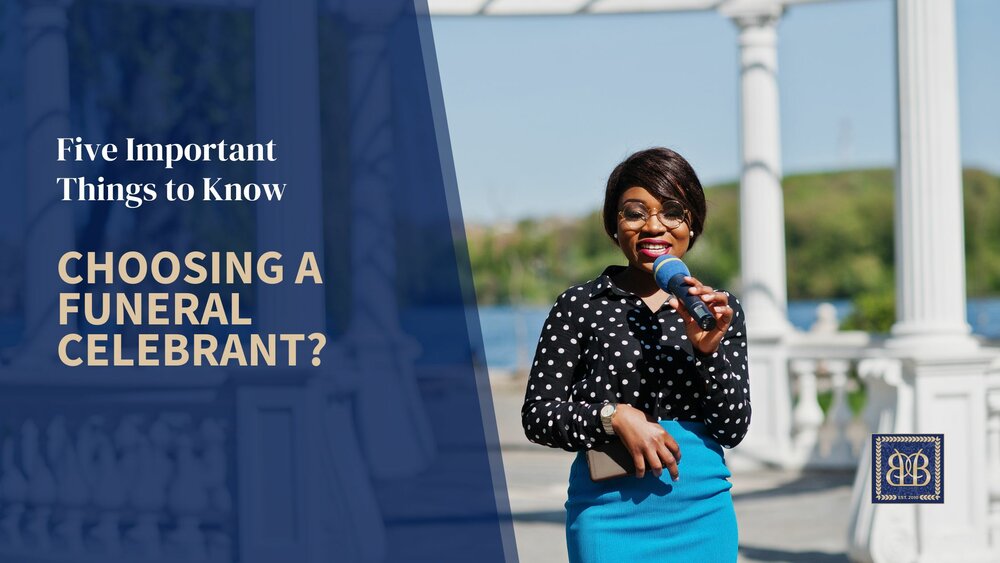
If you are responsible for choosing a funeral celebrant, seek someone who can provide a comforting presence and navigate the complexities of organizing a meaningful service.
Selecting the individual to officiate the funeral for a departed family member is critically important. Because they will be leading the tribute to your loved one, you should choose someone trustworthy, reliable, and with whom you feel at ease sharing your family’s history and personal stories.
Here are some important things to know about the role of the funeral celebrant, along with helpful pointers for choosing the perfect person for the job.
1. What does a funeral officiant do?
The officiant, also called the funeral celebrant, is responsible for organizing and structuring the end-of-life service, including delivering the eulogy, leading any religious elements, and informing guests of post-ceremony events, such as the burial, reception, or scattering of ashes. Steer clear of choosing a celebrant whose approach or style does not match the tone and atmosphere you envision for the ceremony. Each officiant will bring their own style and personalization to the service, and the type of ceremony you want may influence the selection process. For example, if you're planning a lively celebration of life or a relaxed memorial gathering, a traditional celebrant with a formal, staid demeanor might not be the best fit.
2. Technically, anyone can be an officiant.
Unlike a wedding, there is no legal requirement for certification or professional experience to officiate a funeral. If you, a family member, or friend wants to lead the service, it’s perfectly acceptable to do so. However, hiring someone with experience leading funerals and memorials has its advantages. They will probably have a suitable structure in mind, and you can work with them to customize the ceremony so it is personalized to your loved one.
3. You have many options at your disposal.
- If your loved one was religious, your choice of officiant should reflect those beliefs. This will usually mean a pastor, priest, rabbi, or other member of the clergy. They will be well- versed in the aspects of laying people to rest in accordance with their religious beliefs and will be able to advise you on appropriate traditions, readings, and hymns.
- For secular services held at a funeral home, the funeral director will often serve as the officiant. Because they are accustomed to working with grieving family members, funeral directors are a popular non-religious choice.
- In recent years, more families have been turning to certified celebrants. These individuals are typically trained in funeral planning, family facilitation, presentation skills, and emotional support.
· You might have a friend or family member in mind. If you’re leaning toward this option, bear in mind that it can be difficult for someone close to the departed to lead the service. Emotions run high and grief is unpredictable, so even the most practiced speaker may become overwhelmed in the moment. For those reasons, it is advisable to find someone outside of your immediate circle of grieving friends and family.
4. Get aligned with other decision-makers from the start.
As you go through your selection process, it’s important that everyone involved in the officiant selection process agrees on the key elements up front. Consider things like:
- Are they aligned with the beliefs of the departed if the ceremony will be religious in nature?
- Do they follow a certain schedule or structure, and are you comfortable with it?
- Are they flexible and willing to collaborate with you?
5. The cost can vary widely.
Friends or family are often willing to officiate for free but may lack the experience or skills to make the service flow seamlessly. Funeral directors and professional celebrants generally charge from $300 to $500. Clergy members may or may not charge a fee. They often request a donation to their religious organization or house of worship in lieu of payment.
We hope you find this information about choosing a funeral celebrant helpful. If you need additional assistance with the selection of an officiant or if you wish to make funeral arrangements, please reach out to us anytime.
About Batchelor Brothers Funeral Services: As a leading African American-owned and operated funeral and cremation organization, Batchelor Brothers Funeral Services has provided a ministry of care to thousands of grieving families. We promise to provide our highest level of distinguished service and respect to families who entrust us to honor their loved ones. With two convenient locations serving North and West Philadelphia, it is always our pleasure to be of service. For more information about our funeral, cremation, memorial, repast, and grief counseling services, please visit batchelorbrothers.com.
Previous Posts
How to Navigate Funeral Processions with Care and Courtesy
Simple, Effective Ways to Care for Yourself This National Minority Health Month
Need Relief from Spring Allergies? Here’s How to Stay Comfortable This Season
How Do I Arrange Cremation Services? A Step-by-Step Guide for Families
Choosing an Assisted Living Community: 6 Signs It May Be Time to Begin Exploring Options
Funeral Readings: A Thoughtful Guide to Choosing the Right Words
What Should I Look for When Choosing a Funeral Home in Pennsylvania?
Are Your Home and Car Winter-Ready? 10 Essential Winter Safety Tips
It’s American Heart Month: Eight Simple Steps That Make a Big Difference
What Documents Do You Need Before Meeting With a Funeral Director?


Comments